
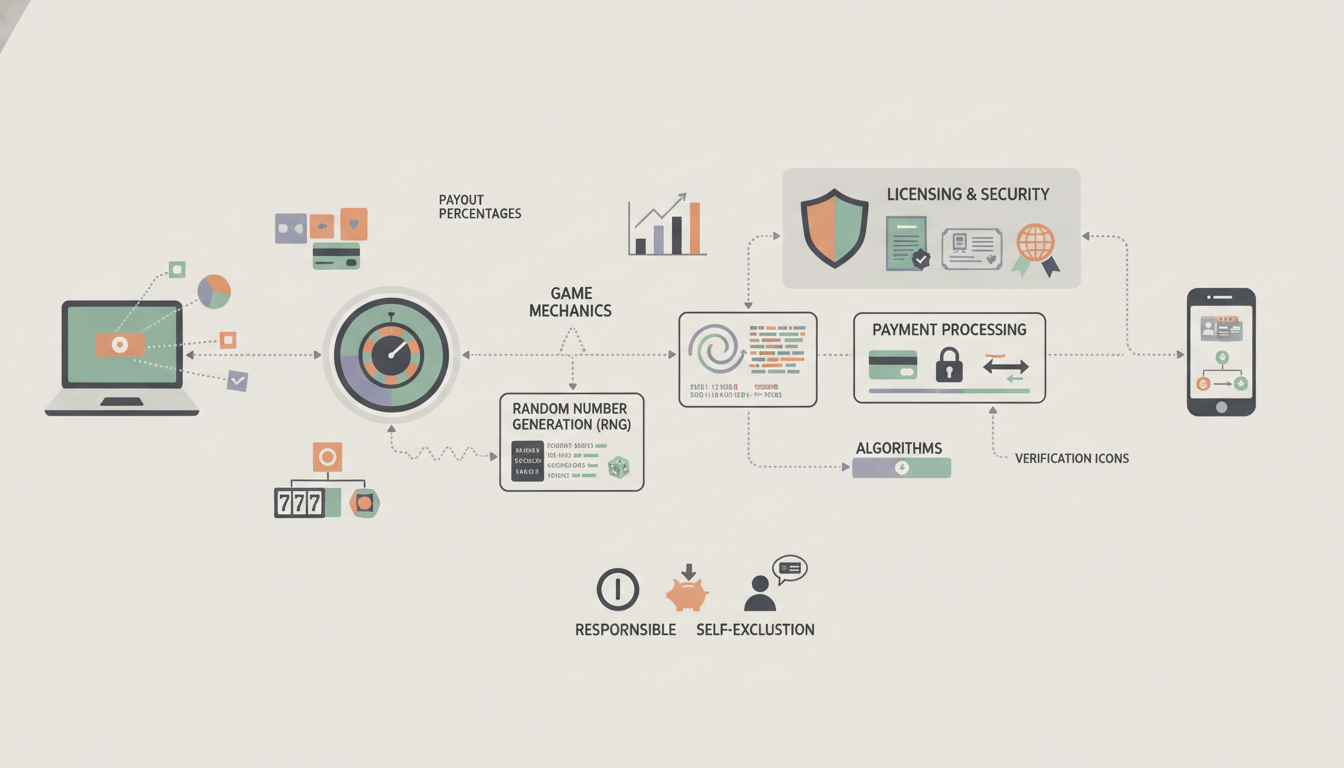
Online casinos have become a major part of the global digital entertainment industry. While most players interact with them through simple interfaces and familiar games, the systems operating behind the scenes are far more complex. Understanding how online casinos work helps players make informed decisions, recognize potential risks, and better evaluate different platforms.
This article explains the core mechanics of online casinos, covering game logic, payment processing, fairness systems, licensing, and player protection. The goal is not to promote specific platforms, but to provide a clear, neutral overview of how the industry functions.
What Is an Online Casino?
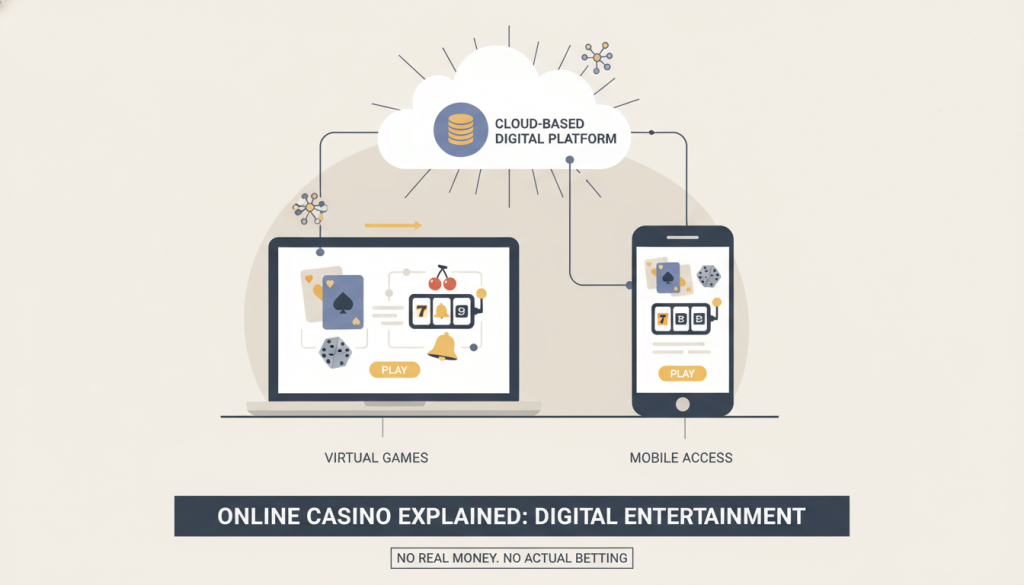
An online casino is a digital platform that offers casino-style games over the internet. These platforms replicate traditional casino experiences using software, live video streams, and secure payment systems. Players typically access online casinos through web browsers or mobile applications.
Unlike land-based casinos, online platforms operate continuously and rely on automated systems to manage games, transactions, and user accounts. This automation allows casinos to serve players globally, subject to regional regulations.
Types of Casino Games Available Online
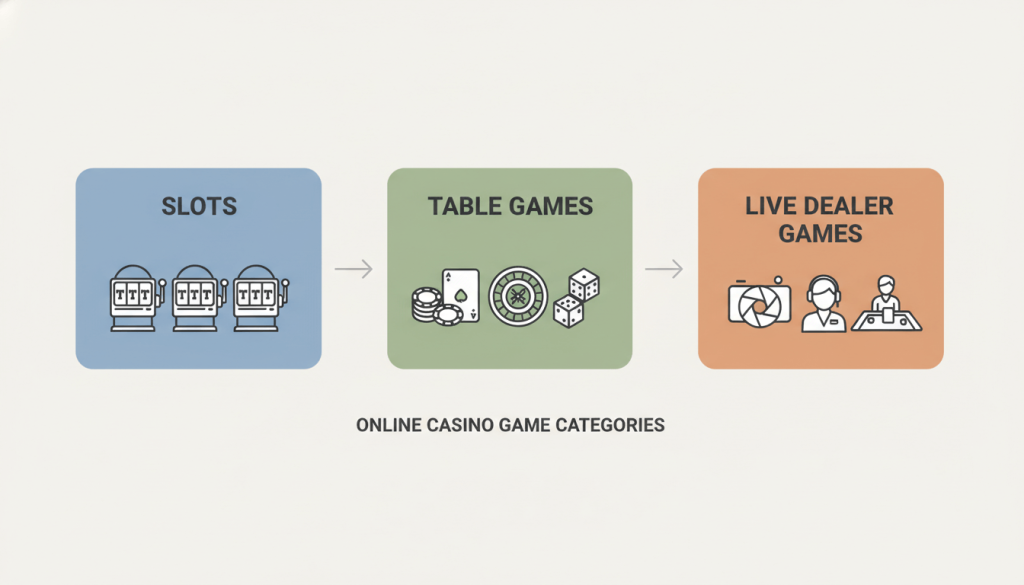
Online casinos usually offer several categories of games, each operating under different technical principles.
Slot Games
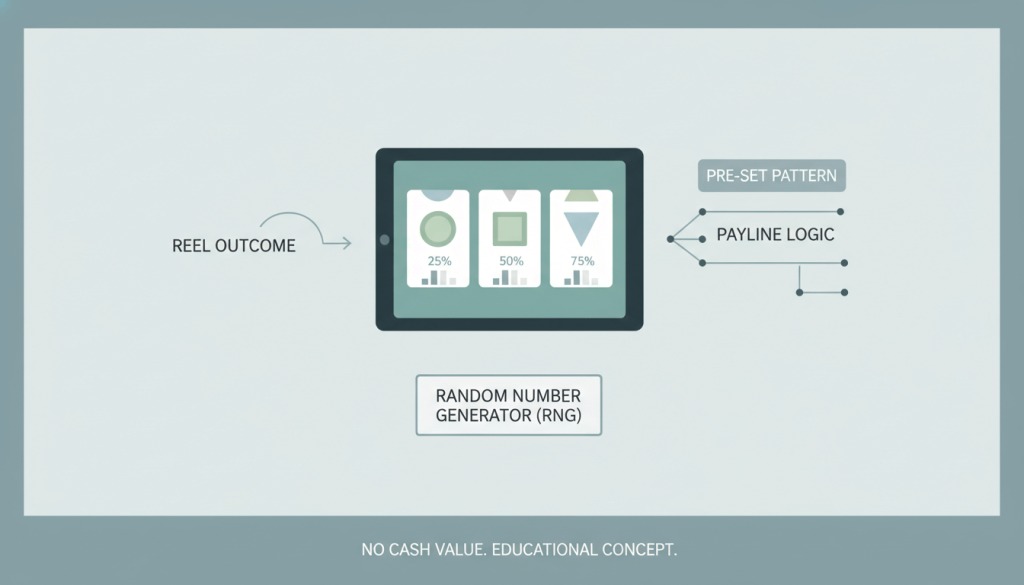
Slots are the most common online casino games. They are software-based and rely entirely on Random Number Generators (RNGs) to determine outcomes. Each spin is independent, and results are generated instantly by algorithms.
Table Games

Table games such as blackjack, roulette, and baccarat use digital versions of traditional casino rules. Outcomes may be generated by RNG systems or, in some cases, live dealers.
Live Dealer Games
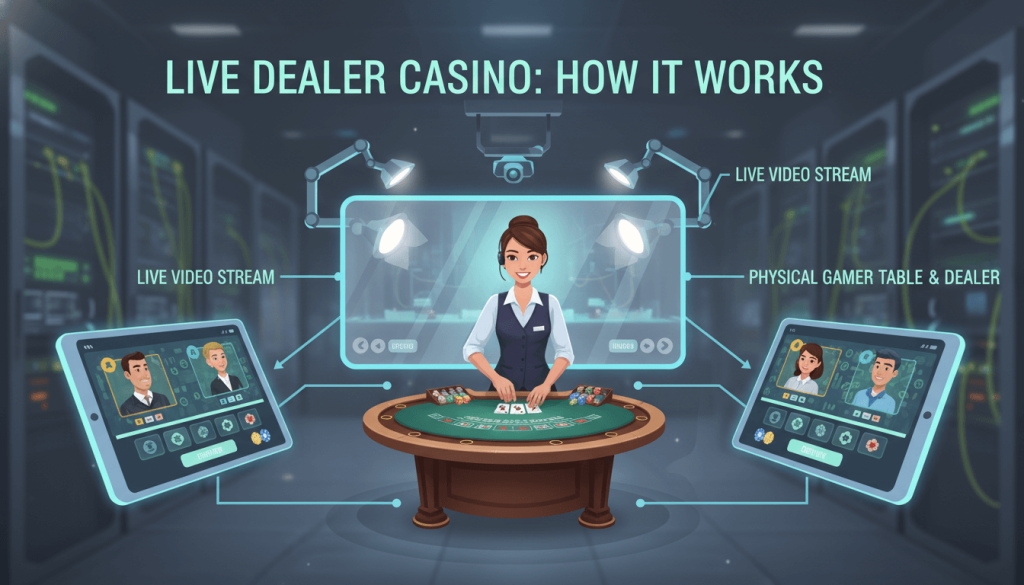
Live casino games stream real dealers operating physical tables. Players place bets digitally while watching live video feeds. Results depend on real-world actions rather than software-generated outcomes.
How Random Number Generators (RNGs) Work
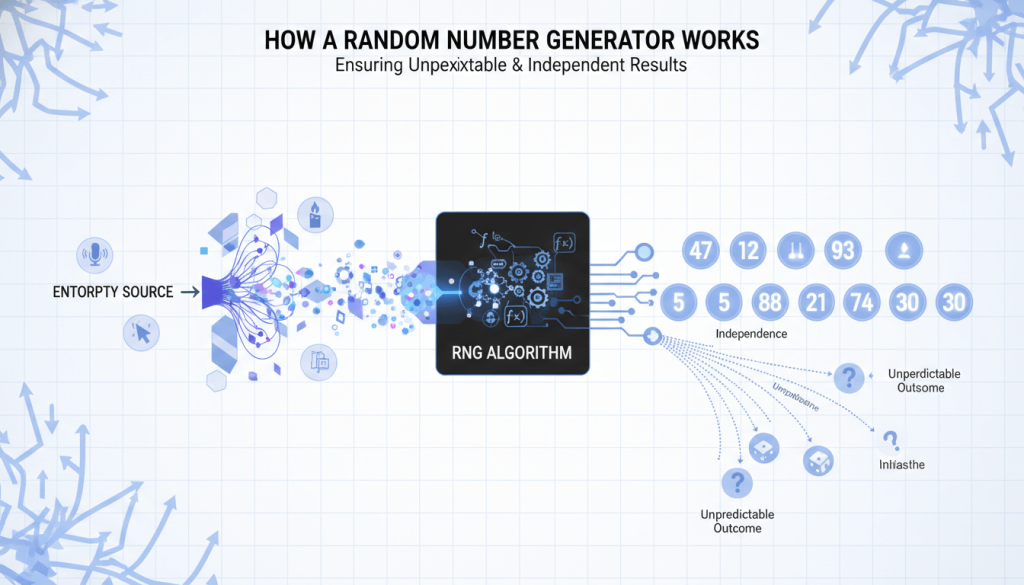
The RNG is one of the most important components of online casino operations. It is a software system designed to generate unpredictable numerical sequences that determine game outcomes.
In practical terms, RNGs ensure that:
- Each game round is independent of previous results
- Outcomes cannot be predicted or manipulated by players
- Game results follow predefined probability models
In regulated environments, RNG systems are tested by independent auditing laboratories to confirm that they function as intended.
Game Fairness and RTP
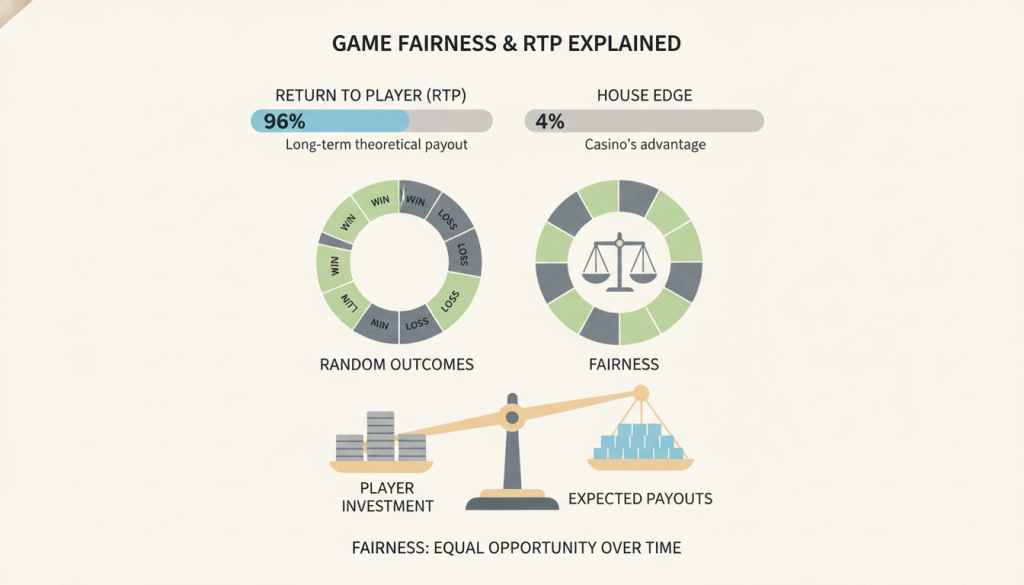
Fairness in online casinos is closely tied to the concept of Return to Player (RTP). RTP represents the theoretical percentage of wagered money that a game returns to players over time.
| Game Type | Typical RTP Range |
|---|---|
| Online Slots | 94% – 97% |
| Blackjack | 98% – 99% |
| Roulette (European) | 97% |
It is important to note that RTP does not guarantee short-term results. It reflects long-term statistical behavior across millions of game rounds.
RTP & House Edge Explainer
How Online Casino Payments Work
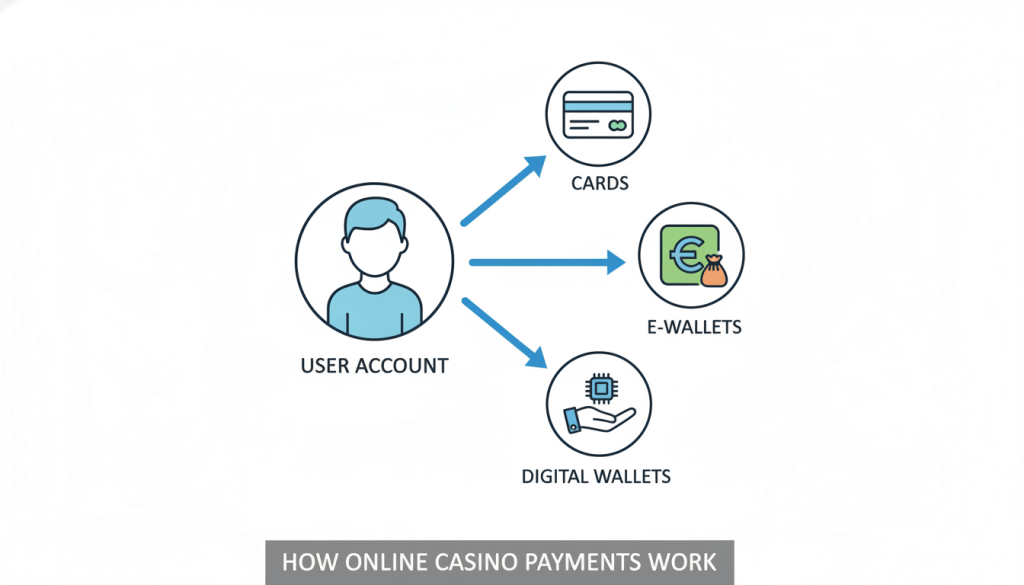
Payment systems are central to the operation of online casinos. These platforms act as intermediaries between players and financial service providers.
Deposits
Players fund their accounts using various payment methods. Some platforms offer cards, e-wallets, bank transfers, or digital currencies. Deposits are usually processed instantly.
Withdrawals
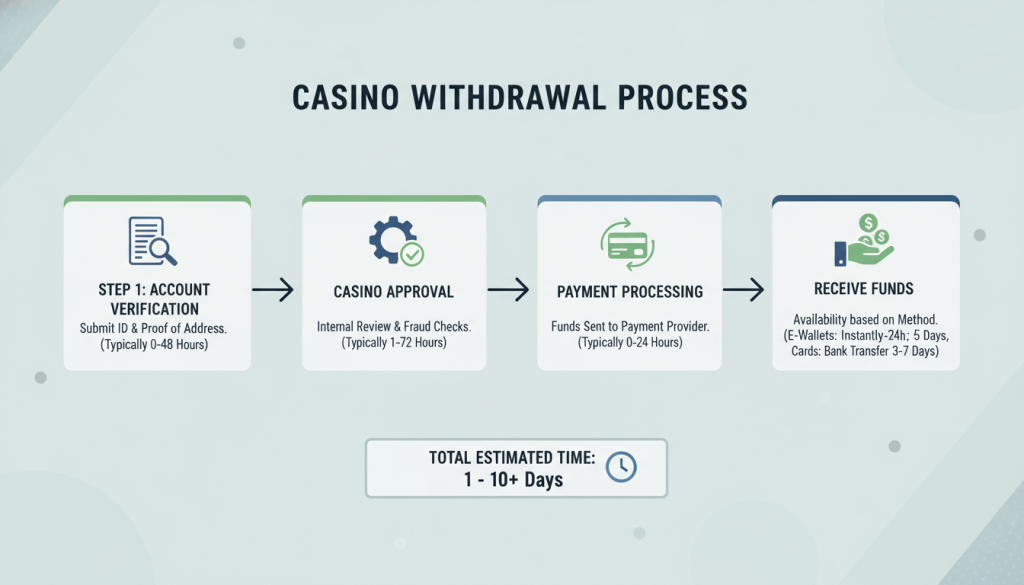
Withdrawals often require identity verification. Processing times vary depending on payment method and internal review procedures.
| Payment Method | Typical Withdrawal Time |
|---|---|
| E-wallets | 24–48 hours |
| Bank Transfers | 3–7 business days |
| Cryptocurrency | Minutes to hours |
Withdrawal Time Estimator
Bonuses and Promotional Mechanics
Bonuses are commonly used by online casinos to attract new players or retain existing ones. While they can add value, bonuses are governed by specific terms and conditions.
Common bonus-related concepts include:
- Wagering requirements
- Maximum withdrawal limits
- Eligible games
Some platforms offer low-wagering or limited bonuses, while others impose stricter conditions. Understanding bonus mechanics is essential to avoid misunderstandings.
Account Verification and KYC
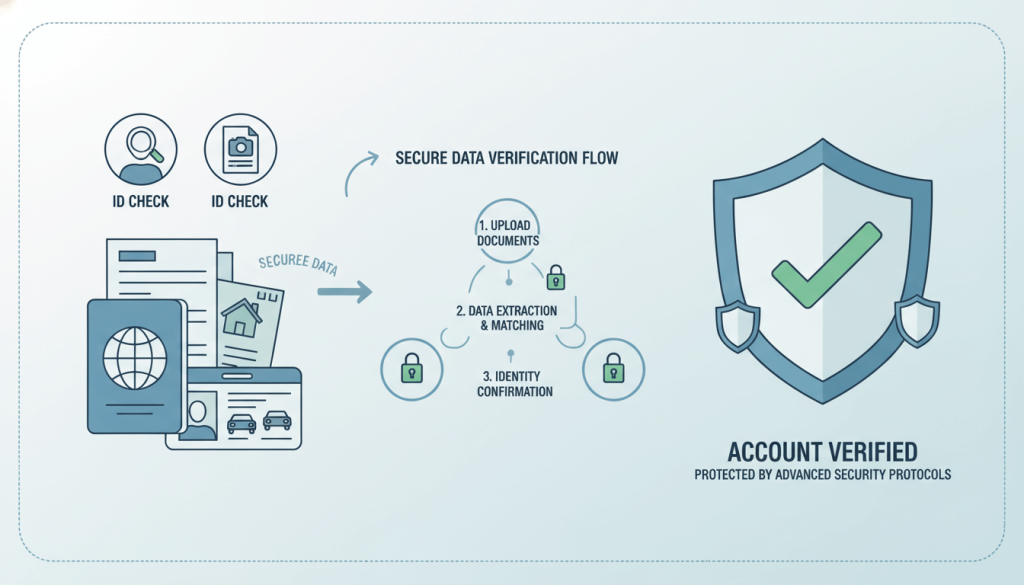
Know Your Customer (KYC) procedures are standard across most regulated online casinos. These processes are designed to prevent fraud, underage gambling, and financial crime.
Verification typically involves:
- Proof of identity
- Proof of address
- Payment method verification
While KYC may delay withdrawals, it plays a role in maintaining platform integrity.
Licensing and Regulation
Online casinos may operate under licenses issued by recognized regulatory authorities. Licensing frameworks define operational standards related to fairness, security, and responsible gambling.
Licensed platforms are generally required to:
- Use certified game software
- Protect player funds
- Provide dispute resolution mechanisms
Unlicensed platforms may not follow the same standards, increasing potential risks for players.
Casino Trust Checker
Responsible Gambling Systems
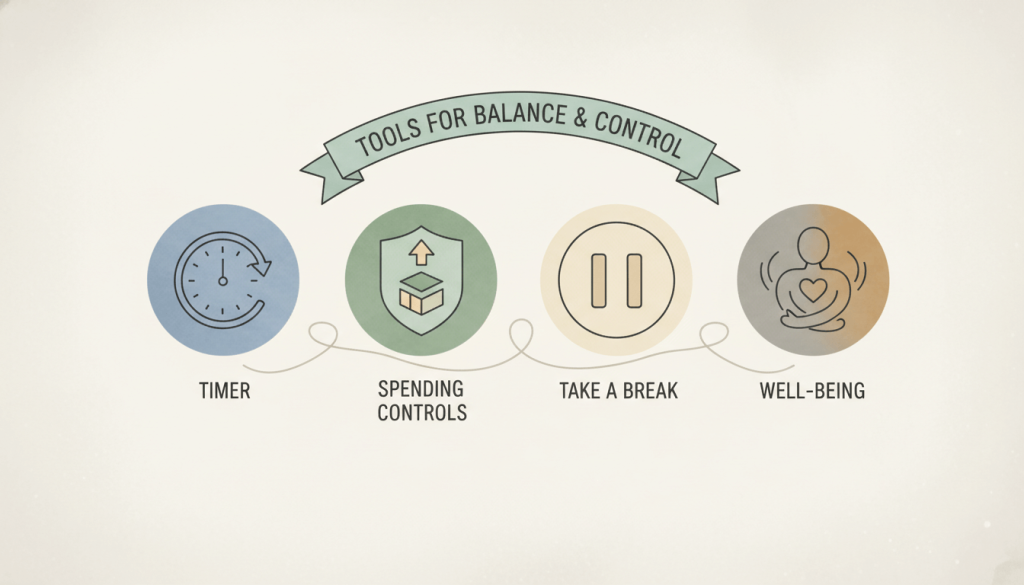
Responsible gambling tools are designed to help players manage their activity. These tools vary by platform but often include:
- Deposit and loss limits
- Session time reminders
- Self-exclusion options
Such systems aim to reduce harm and promote balanced participation.
Public regulators such as the UK Gambling Commission illustrate how licensing systems are used to enforce consumer protection and operational transparency.
Common Misconceptions About Online Casinos
Several myths persist around online casinos. Common misconceptions include the belief that casinos manipulate individual outcomes or that short-term patterns influence future results.
In regulated environments, outcomes are governed by mathematical models rather than manual intervention.
Responsible Gambling Reminder
Reminder: Gambling should be viewed as entertainment, not a way to make money. Set time and spending limits before you start.
If you or someone you know is struggling, please seek help from a responsible gambling support organization in your region.
Find help resources here.
Disclaimer: This tool does not promote or endorse any casino platforms. It is provided for educational purposes only.
Final Thoughts
Online casinos operate through a combination of software systems, financial infrastructure, and regulatory oversight. While they offer entertainment and convenience, they also involve financial risk. Understanding how these platforms function allows players to approach them more responsibly and critically.
FAQ
- Do online casinos control game outcomes?
In regulated environments, outcomes are determined by RNG systems or live dealers, not manual control. - Why do withdrawals take longer than deposits?
Withdrawals require verification and internal review processes, which add processing time. - Are bonuses always beneficial?
Bonuses can offer value but often include conditions that should be reviewed carefully. - Is playing at licensed casinos safer?
Licensed platforms are subject to regulatory oversight, which generally increases player protection. - Can online casinos guarantee fairness?
No system can guarantee individual results, but audited RNG systems help ensure fair probabilities.
Authoritative Sources and Further Reading
The following independent and authoritative sources provide additional context on fairness, regulation, and responsible gambling practices referenced in this article:
- eCOGRA (eCommerce Online Gaming Regulation and Assurance) —
An independent testing agency that audits random number generators and operational standards for online gaming platforms.
https://ecogra.org/ - iTech Labs —
An internationally recognized testing laboratory that certifies game fairness, RNG integrity, and platform security.
https://www.itechlabs.com/ - UK Gambling Commission —
A public regulatory authority providing insight into licensing standards, player protection, and compliance requirements.
https://www.gamblingcommission.gov.uk/ - World Health Organization (WHO) —
A global public health authority offering research and guidance on behavioral risks and harm reduction related to gambling.
https://www.who.int/
Note: These links are provided for informational and educational purposes only and do not constitute endorsements of any gambling platform or service.
Disclaimer: This article is for informational purposes only. Online gambling involves financial risk. Players should ensure compliance with local laws and use responsible gambling tools where available.

I never knew how complex online casinos really are. It’s interesting to learn about RNGs and how they work.
This article helped me understand a bit more about online casinos. I didn’t realize they have so many regulations.
I found it surprising that there are so many different types of games available. The live dealer games sound pretty cool.
The part about payment processing was eye-opening. I didn’t know it could take longer to withdraw than to deposit.
I appreciate the information on fairness and RTP. It’s good to know there are systems in place for player protection.
So, it’s all about algorithms and RNGs? Sounds like magic to me.
‘Know Your Customer’ seems like an important step for security. Glad it’s part of the process.
This article helped clear up some misconceptions I had. I thought online casinos could just change the outcomes whenever they wanted.
‘Know Your Customer’ sounds serious. It’s good that they try to keep things safe for everyone involved.
I found the information on licensing really helpful. It makes me feel safer knowing there are regulations.
The part about RNGs was really interesting. I had no idea how they influenced the games.
It’s nice to learn that online casinos have to follow rules. I feel a bit more comfortable knowing about the licensing.
Why does it take so long to cash out? Feels like they want to keep my money longer.
I always wondered how they keep things fair. It’s good to know there are regulations in place to protect players.
‘Live dealer games’ seem like an interesting mix of both worlds, traditional and online.
How do they make sure everything is fair? Seems like there could be a trick or two.
I learned a lot about payment processes. It’s nice to see how everything connects.
I didn’t know there were so many types of games available online. It’s interesting how they use technology to create a casino experience.
I’m still wondering how they keep track of all those transactions without messing up.
How do I know if an online casino is licensed? This info isn’t easy to find.
I never realized how much goes into making online casinos work. It’s fascinating!
‘Live dealer games’ sound interesting! I might look into them for a more real experience.
I find it strange that the outcomes are random. How can anyone feel confident playing?
The KYC procedures make sense, but it seems like it could slow things down a bit.
It feels overwhelming with all these rules and regulations. Is it really worth it?
It’s good to know that there’s a system in place to keep things fair for players.
‘Live dealer games’ sound fun! Watching real people play must make it feel more like being in a real casino.
‘Return to Player’ sounds important, but I wonder how accurate those percentages are in real life?
‘Responsible gambling tools’ are a great idea, helping players keep track of their habits.
The explanation of how RNGs work was really clear. I had no idea they played such a big role!
So, basically, the computer decides everything? That’s a lot of trust to put in a machine!
The concept of RTP was new to me! It’s nice to understand how returns work over time.
‘Fairness’ is such an important topic. Glad to see it explained clearly here.
I always thought online casinos were just like regular ones. This article helped me see the differences.
I’m glad this article explained how everything works behind the scenes. It makes me appreciate online gaming more.
‘Fairness systems’ are crucial. It’s nice to see how they help keep everything on track.
Interesting read! But can these RNG things really be trusted? Seems fishy.
I didn’t know there were so many types of games online. It’s interesting to learn about the different categories.
‘Return to Player’ is an interesting concept! It makes me think about how games are designed over time.
I’m not sure I trust these RNGs. Can we really believe they’re fair?
I always thought online casinos were straightforward. This article opened my eyes to their complexity.
‘Know Your Customer’—isn’t that just another way for them to snoop on us?
The part about RNGs was new to me. It makes sense that outcomes can’t be predicted if they’re generated randomly.
It seems like a lot of players might not know about the risks mentioned here.
So many technical details here! It’s hard to keep track of everything.
I thought online casinos were just for fun. Now it sounds like a tech lab experiment.
It’s good to know that there are rules and regulations for online casinos. Makes it feel safer.
This article explains a lot, but I still don’t fully understand how the games work.
I didn’t realize online casinos were so complicated. It makes me wonder how safe they really are.
Reading about KYC procedures makes me wonder if they’re really necessary for everyone.
‘Fairness’ sounds nice, but how do we know it’s not just a marketing term?
‘Responsible gambling systems’ seem like a good way to promote safe playing habits. Very thoughtful!
I found the section about payment processing really useful. It answered some questions I had.
I found the information on payment processing really helpful. I had no idea it could take so long for withdrawals!